

Introduction
Pakistan’s real estate market has long been a cornerstone of investment for both local residents and the diaspora. Whether you are looking for a plot to build your dream home, a commercial space for business, or a high-yield investment opportunity, the process of buying property in Pakistan can seem daunting. With complex legalities, various types of documentation, and the risk of fraudulent dealings, it is essential to have a clear roadmap.
This guide provides a comprehensive, step-by-step walkthrough of the entire process, ensuring you can navigate the market with confidence and security.
Step 1: Define Your Investment Goals and Budget
Before you start looking at listings, you must define what you want to achieve. The market in Pakistan varies significantly between different regions and types of developments.
Determine Your Purpose
- Residential: Looking for a home in a gated community or a plot in a developing area.
- Commercial: Seeking a shop, office, or warehouse with high rental yields.
- Investment: Looking for high-appreciation land in emerging cities like Islamabad, Lahore, or Karachi.
Set a Realistic Budget

Factor in not just the purchase price, but also additional costs such as:
- Stamp duty
- Registration fees
- Transfer charges
- Development charges (if applicable)
- Taxes (Withholding Tax, Capital Gains Tax)
Step 2: Researching Locations and Developers
Once you have a budget, it is time to choose a location. In Pakistan, real estate is often divided into ‘Planned Societies’ (like DHA, Bahria Town, or LDA projects) and ‘Open Markets.’
Choosing a Reputable Developer
If you are buying from a housing scheme, always check the developer’s track record. Look for:
- Completed projects (to see the quality of construction).
- Approvals from relevant authorities (e.g., LDA, CDA, MDA).
- Financial stability of the company.
Step 3: Due Diligence and Property Verification
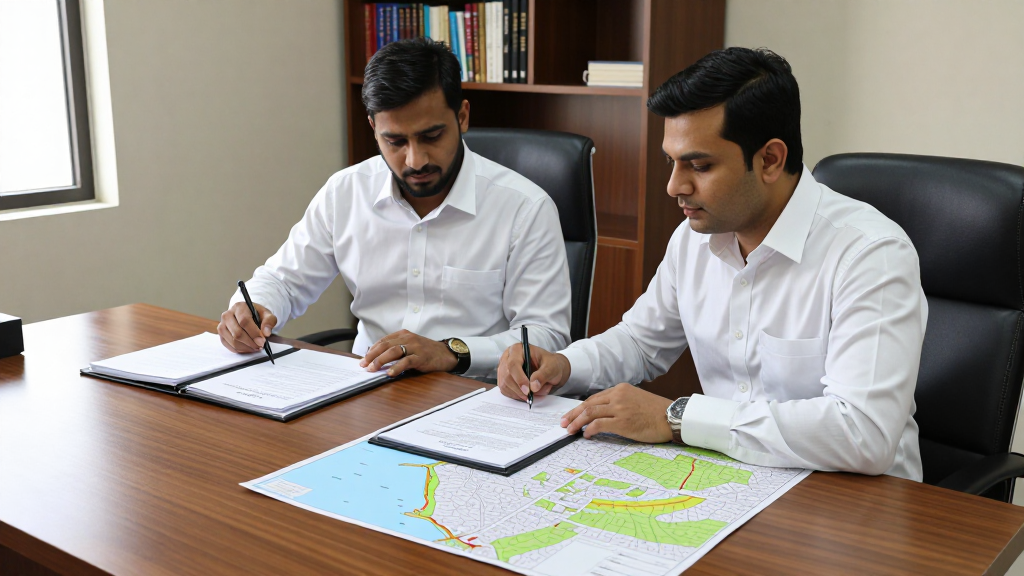
This is the most critical phase when you want to buy property in Pakistan. Skipping due diligence can lead to legal battles or loss of investment.
Verify the Title Deed
Ensure the seller actually owns the property. Request the ‘Fard’ (Record of Rights) or the ‘Intikal’ (Mutation) to see the history of ownership.
Check for Encumbrances
Verify that the property is free from any legal disputes, mortgages, or unpaid taxes. A ‘Clearance Certificate’ from the local revenue office is highly recommended.
Verify Approvals
If buying a plot in a society, ensure the land is ‘NoA’ (No Objection Certificate) cleared and that the society has the legal right to sell that specific plot.
Step 4: Negotiating and Signing the Sale Agreement
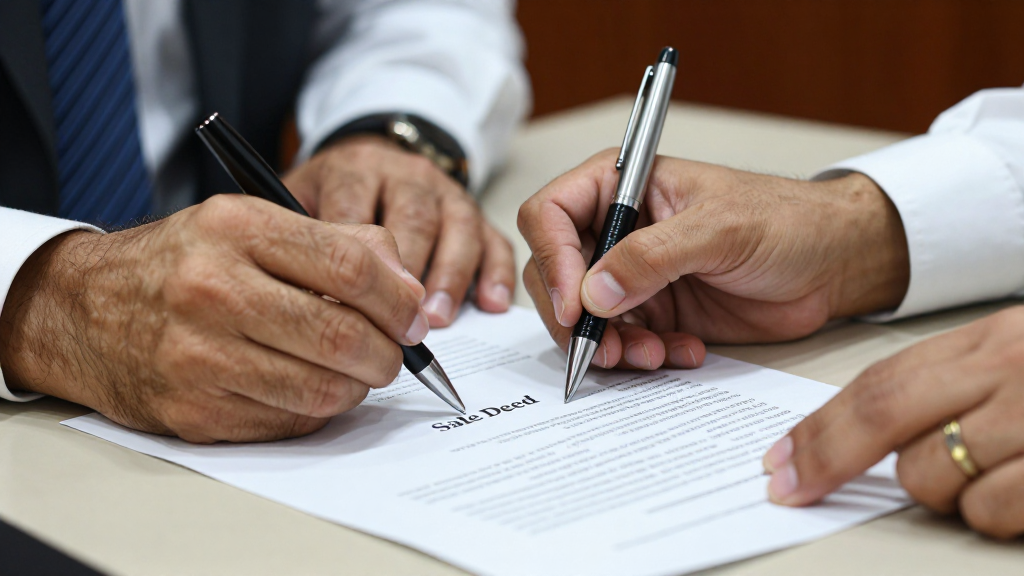
Once you have found the perfect property and verified the documents, it is time to negotiate the price. After reaching an agreement, you will sign a ‘Sale Agreement’ or ‘Agreement to Sell.’
This document should clearly state:
- The total sale price and payment schedule.
- The date of final registry.
- The names of the buyer and seller.
- Details of the property (Plot number, Block, Area).
- Penalties for default by either party.
Step 5: The Registry and Transfer Process
The final step to successfully buy property in Pakistan is the official registration. This makes the transfer of ownership legal in the eyes of the government.
Stamp Duty and Registration Fees
You will need to pay the government-mandated stamp duty based on the value of the property. The registration fee is usually a percentage of the total value.
Visit the Sub-Registrar Office

Both the buyer and seller must appear before the Sub-Registrar (or an authorized representative with a Power of Attorney) to sign the ‘Sale Deed.’
Witnessing and Fingerprints
You will need witnesses to sign the documents, and both parties will provide fingerprints and photographs for the official record.
Step 6: Post-Registry Procedures
Your job isn’t quite done once you leave the registrar’s office. To fully secure your investment, complete these final steps:
- Mutation (Intikal): Ensure the ‘Mutation’ is updated in the revenue records. This officially changes the owner’s name in the government’s land records.
- Possession: Take physical possession of the property and ensure all previous utility bills (electricity, water, gas) are cleared by the seller.
- Update Taxes: Ensure the property tax records are updated to your name to avoid future liabilities.
Conclusion
Buying property in Pakistan is a significant financial milestone that requires patience, research, and attention to detail. By following this step-by-step guide—from initial goal setting and rigorous due diligence to the final registry and mutation—you can protect your investment and build a secure future.
If you are unsure about any legal step, it is always wise to consult with a reputable real estate lawyer to ensure every document is in order before you sign on the dotted line.